

The new electric SUV from the Japanese carmaker has finally been unveiled for the Indian market
In this post, we take a look at the comparison between the new Toyota Urban Cruiser Ebella and Maruti e Vitara on the basis of specs, features and design. We know that Toyota sells badge-engineered versions of Maruti Suzuki cars in India. Essentially, the Ebella is the rebadged e Vitara. Nevertheless, Toyota has ensured that the exterior styling lends the EV an individual identity. However, on the inside and under the floor, the similarities are evident. Let us check out the details of both these cars.
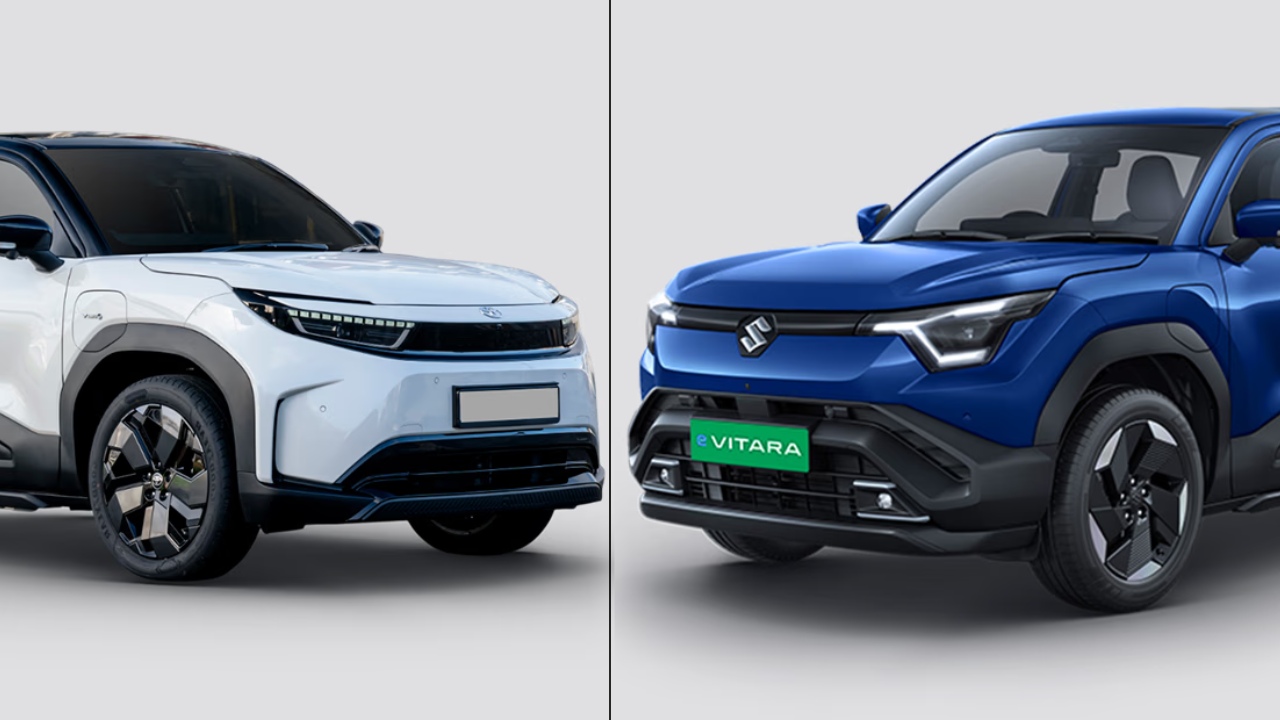
Toyota Urban Cruiser Ebella vs Maruti e Vitara – Design Comparison
I am starting this comparison with the design aspect because that is the major point of differentiation between the two EVs. At the front, the Toyota Urban Cruiser Ebella features a distinct lighting layout with LED DRLs neatly integrated within slim LED headlamps, a narrow grille element finished in gloss black, a sculpted bumper with small intakes positioned on either side, and a bold lower section highlighted by a rugged skid plate. The side view is characterized by chunky wheel arches with durable cladding, strong side body panels, blacked-out pillars, and dual-tone aerodynamic alloy wheels. The charging port sits on the front left fender. At the rear, the design includes LED taillamps joined by a glass panel, a roof-mounted spoiler with an integrated high-mounted stop lamp, and a robust bumper featuring a subtle skid plate element. Overall, there are sufficient exterior revisions to clearly differentiate it from its Maruti-based sibling.
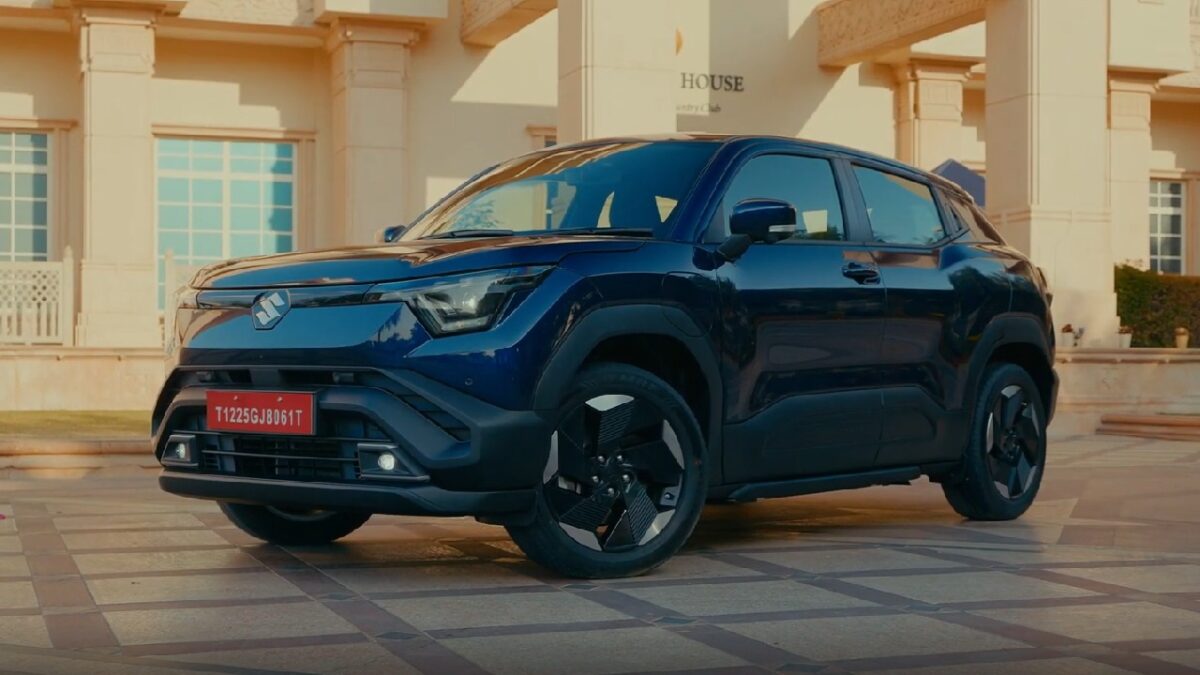
On the other hand, the Maruti e Vitara was showcased a while ago. It carries the latest design language from Maruti Suzuki. The electric SUV features a bold and rugged exterior design. It showcases Y-shaped LED DRLs neatly positioned within the main headlamp unit, a muscular fascia with a sculpted bumper, and strong black accents that underline its adventurous character. Along the sides, standout fenders with matte black cladding frame the dual-tone alloy wheels, complemented by body cladding on the doors and a raised rear fender. At the back, it gets a shark-fin antenna, a roof-mounted spoiler, connected LED taillamps, and a sporty-looking bumper. Overall, the electric SUV delivers a commanding and imposing presence on the road.
| Dimensions (in mm.) | Toyota Urban Cruiser Ebella | Maruti Suzuki e Vitara |
| Length | 4,285 | 4,275 |
| Width | 1,800 | 1,800 |
| Height | 1,640 | 1,635 |
| Wheelbase | 2,700 | 2,700 |
Toyota Urban Cruiser Ebella vs Maruti e Vitara – Specs
This is one aspect where we won’t see all that many differences between the two. Both these draw power from 2 battery packs – 49 kWh & 61 kWh. The electric SUVs are available in both 2WD and all-wheel-drive configurations. The output figures span 142 hp / 189 Nm and 172 hp / 189 Nm, going up to 181 hp / 300 Nm in the AWD version, of peak power and torque figures, respectively. According to ARAI-certified data, the electric SUVs deliver a claimed range of 543 km on a full charge. The Urban Cruiser Ebella buyers will have a choice of 5 monotone and 4 dual-tone colour options. Prices are yet to be revealed, though it will feature a BaaS subscription scheme along with a 60% buyback assurance package.
| Specs | Maruti e Vitara and Toyota Urban Cruiser Ebella |
| Battery | 49 kWh and 61 kWh |
| Power | 142 hp – 181 hp |
| Torque | 189 Nm – 300 Nm |
| Range (ARAI) | 543 km |
| Drivetrain | 2WD and 4WD |
Toyota Urban Cruiser Ebella vs Maruti e Vitara – Features Comparison
New-age car buyers want their vehicles to come loaded with tons of tech and convenience amenities. Hence, car companies have started offering these functionalities to pamper the occupants. Again, the list of extensive features on both these SUVs is long and almost identical. While most elements will be known only after the launch, we can assume that the following features will be common to both these products:
- 10.2-inch Digital Instrument Cluster
- 10.1-inch Touchscreen Infotainment Display
- Physical Controls for HVAC and Multimedia
- Electric Sunroof
- Rear USB Ports
- Retractable Rear Seats
- Stylish AC Vents
- Soft-touch Materials
- Multi-colour Ambient Lighting
- Infinity Premium Sound System
- Ventilated Front Seats
- 10-way Powered Seats
- Sliding and Reclining Rear Seats
- 12-colour Ambient Lighting
- Drive Modes – Eco, Normal, Sport
- All-disc Brakes with Twin Piston Callipers in Front
- 306-litre Boot Space (w/ rear row pushed forward)
- 60+ Advanced Telematic Features
- Two-spoke Steering Wheel
- Leatherette Bucket Seats
- Rotary Shift Knob
- 750 kg Towing Capacity
- 2-spoke Steering Wheel with Controls
- Level 2 ADAS
- 5-star Bharat NCAP Safety Rating
- 7 Airbags
- ABS, ESP, EBD
- High Tensile Steel
- Hill Hold Control
- Multi-Collision Braking
- 360-degree Surround View Camera
- Front and Rear Parking Sensors
- Day and Night Adjustable IRVM
My View
Now, choosing between these two similar products can be quite tricky. Even though the official prices are not out yet, we can safely assume that the two will cost almost the same. That is something we have seen with all Toyota cars rebadged from Maruti cars. Therefore, it will be a matter of which dealership is in your vicinity or with which carmaker you have prior experience. In any case, you can’t go wrong with either of these.
Also Read: Maruti Suzuki eVitara vs Tata Curvv EV – Specs, Features, Design, Etc.