

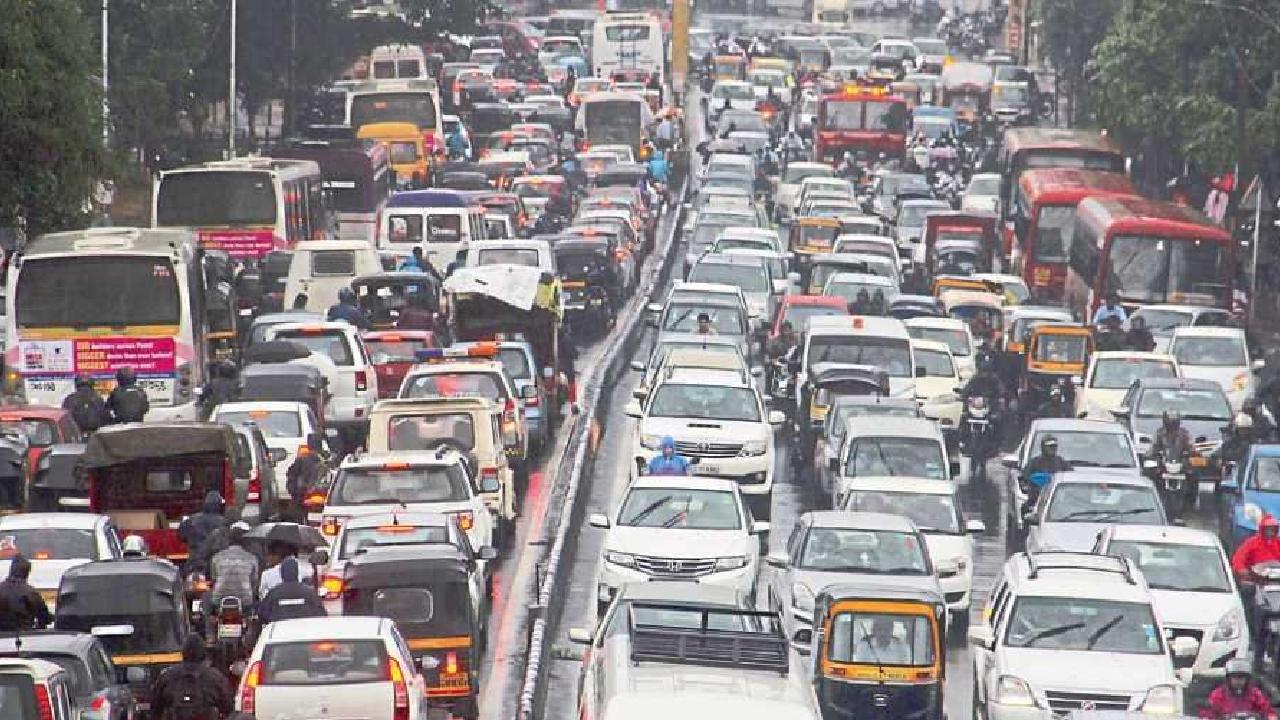
The rising pollution is causing local governments to take strict action
In a rather surprising chain of events, Pune might be the next city to ban vehicles older than 15 years. We know that Delhi already impose this ban to curb the rising air pollution and improve air quality. Understandably, there were many protests against this policy. People argued that if their vehicles are in a decent condition, there is no reason to simply discard or ban them. Instead, the ban should be based on the actual emissions a car emits and not on the age of the vehicle. For now, let us take a look at the details of the latest case.
Pune Car Ban
Pune authorities are planning to stop vehicles older than 15 years from entering city limits, but the proposal is not final yet. It will first go to the Maharashtra government for approval. RTO data shows more than 7 lakh vehicles fall in this category, and most of them are two-wheelers used by daily commuters because of their low cost. If approved, this will be one of the biggest age-based vehicle restrictions outside Delhi. The administration believes current measures like green tax and high renewal fees have not reduced the number of old vehicles on the road, which is why a stricter step is being considered.
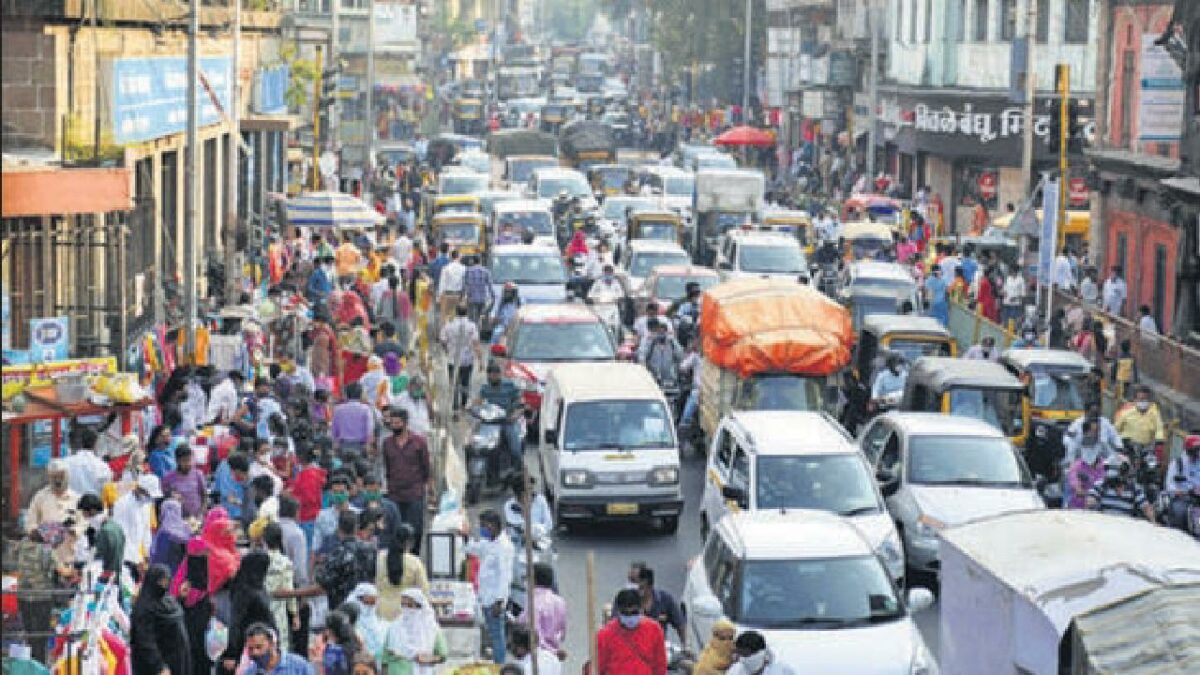
The move is linked to rising pollution and heavy traffic in Pune. Officials estimate that removing ageing vehicles could lower emissions by up to 30% and reduce road congestion. However, pollution in Pune is also driven by industry, construction and commercial transport, so old private vehicles are only one part of the problem. If implemented, the policy could affect the used two-wheeler market and increase replacement costs for budget users. It could also become a model for other cities dealing with poor air quality and growing vehicle density.
Editor’s Note
Yatharth Chauhan, Managing Editor
In my view, an outright age-based ban is a blunt tool for a complex problem. The Indian market still runs on affordability, and millions depend on well-maintained older two-wheelers for daily mobility. A fitness and emissions-based framework would be far more practical than forcing premature scrappage. If Pune goes ahead, it will reshape the entry-level used market and push demand toward ultra-budget new vehicles. Policymakers must balance environmental goals with ground realities of cost-sensitive buyers.
Also Read: Lamborghini Owner Gives Surprise Ride to Curious Kids