

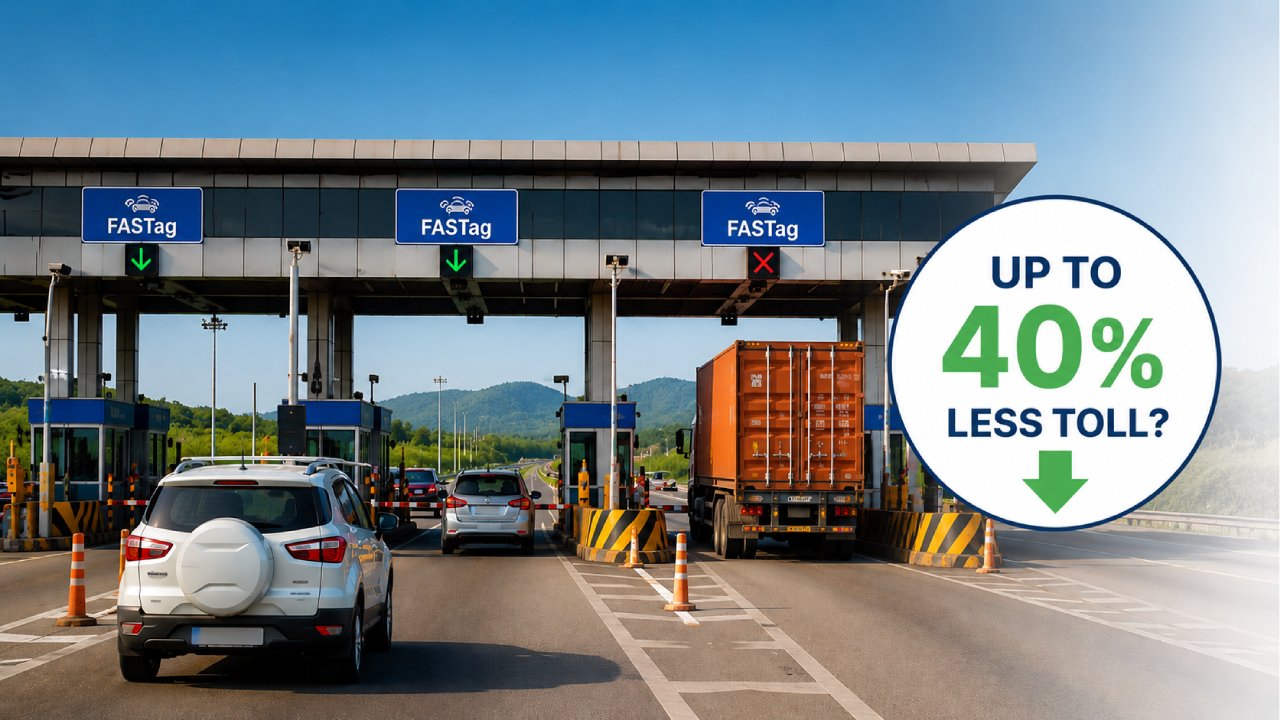
The new rule is aimed at tackling the complaints many road users had about the high toll tax on some stretches of highways
In a rather interesting turn of events, the new NHAI toll tax rule could bring down the charge significantly on some specific highways. Note that NHAI keeps coming up with new announcements to tackle issues pertaining to tolls across the nation. This includes things like introducing FASTag to make paying toll easier and saving time, to trying to do away with stopping at tolls altogether with GPS-based toll calculation. In any case, let us look at the latest development in this regard.
New NHAI Toll Rule
As per the latest news reports, an amendment has been suggested to the National Highways Fee Rules by the Ministry of Road Transport & Highways. In essence, the government has amended the toll calculation methodology for National Highways, which contain structures like tunnels, flyovers, elevated roads and bridges. Previously, these sections were calculated as 10 km of regular road for 1 km of these sections. As a result, the toll charges were high, especially in parts of the NH where tunnels, flyovers, bridges, etc. were longer. However, as per the new rule, the calculation will be done in two different ways and the final charge will be decided based on which value is lower.
The first way of calculation involves multiplying the elevated portion by 10 and adding the rest of the ordinary road length, which is the existing formula. However, the second calculation includes simply multiplying the length of the entire highway by 5. Out of these two, whichever number comes lower will be charged. After doing some calculations, it is possible that some stretches of highways could even see toll taxes reduced by up to 40%. However, note that this won’t be uniform everywhere. The aim is to provide some benefit to the road users.
Editor’s Note
Yatharth Chauhan, Managing Editor
Highway toll charges have been a long-standing concern for motorists, particularly on stretches with long tunnels, bridges and elevated corridors where fees tend to be substantially higher. This revised calculation method appears to be a practical step towards making toll collection fairer without compromising infrastructure development. While the much-talked-about 40% reduction will only apply to select highway sections, even a partial relief should be welcomed by frequent commuters. Going forward, it will be interesting to see how quickly this new rule is implemented across eligible National Highways and whether it translates into tangible savings for road users.
Also Read: Report Dirty Toilets at Toll Plazas and Get Rs 1,000 as a Reward