

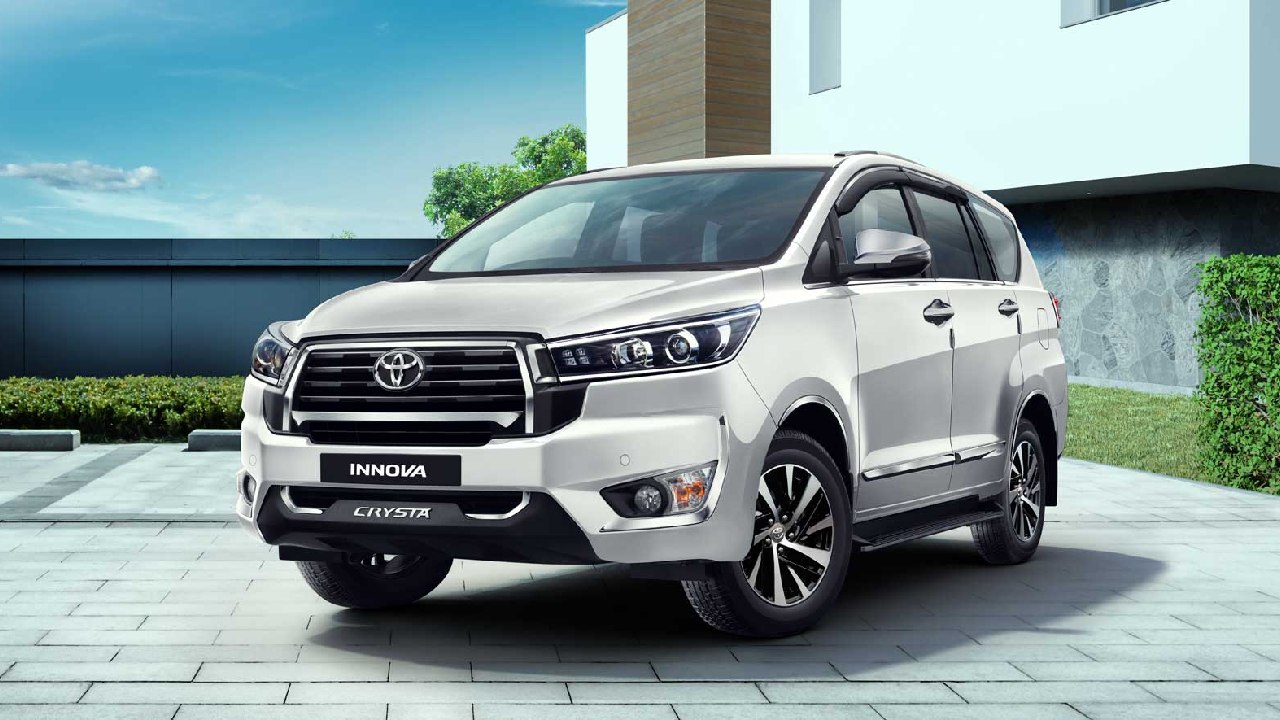
The CAFE 3 norms might finally compel the legendary MPV to get pushed out of the Indian market by March 2027
The mighty Toyota Innova Crysta might be nearing the end of its lifecycle in India after being a success for over 2 decades. Note that it was launched as the Innova back in 2005, while the Innova Crysta iteration came into existence in 2016. In fact, the Innova moniker has been the most successful name in the MPV category in India. No competitor came close to dislodging it from the top spot. What is also impressive is the fact that it found application among private, as well as commercial buyers. Nevertheless, the days of the Innova moniker in India might be numbered.
Government Policy to Kill Toyota Innova Crysta
The Corporate Average Fuel Economy (CAFE) 3 norms calculate the overall CO2 emissions of a carmaker based on all the cars it sells. As expected, a heavy ladder-frame, diesel-powered MPV like the Innova Crysta is bound to raise emissions. To compensate for that, the Japanese carmaker has been selling strong hybrid cars like the Innova Hycross. Note that a strong hybrid is calculated as two cars under the CAFE 3 norms, to promote car companies to offer these cars.
That has kept the Innova Crysta alive until now. However, the sales of the strong hybrid iteration of the Toyota Innova Hycross have not been stellar to offset the CO2 emissions caused by the diesel-powered Innova Crysta. Therefore, the auto giant has given a rough timeline of March 2027, beyond which it will most likely pull the plug on the famed MPV. We know that after the recent update, the Innova Crysta was on offer with a sole 2.4-litre diesel mill with manual transmission. In fact, it was meant to be discontinued in 2025 itself, but the sustained demand and semiconductor issues led Toyota to continue selling it.
My View
The emission norms have been getting stricter with each passing day. In the last few years, countries around the world have been serious about vehicular pollution to reduce their carbon footprint and meet the climate goals. Hence, governments are coming up with effective policies to mandate car companies to manage their CO2 emissions. The CAFE norms in India, along with Bharat Stage regulations, ensure that the country is on track to meet its environmental goals in the coming years. Hence, we will continue to see cases where established names like Innova will either need a thorough overhaul to survive or will end up getting sacrificed for the greater good. There is currently no product lined up to plug the hole that the Innova will create.
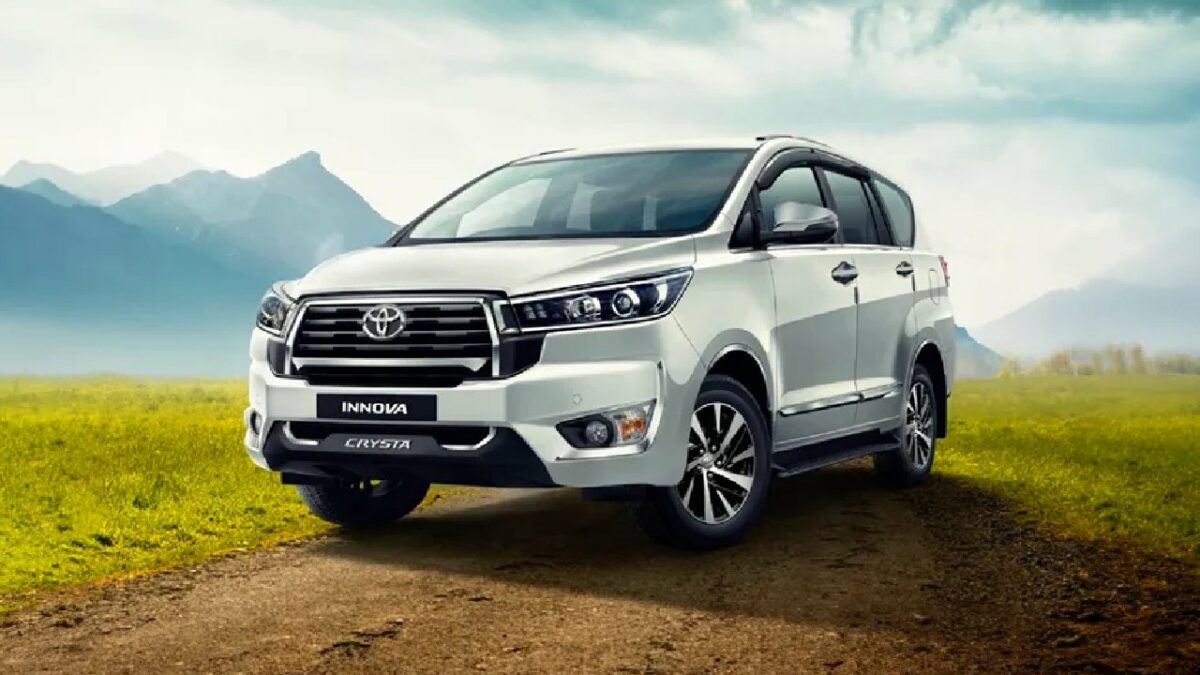
Editor’s Note
Yatharth Chauhan, Managing Editor
Having tracked the Innova’s journey since its early years, I can say this isn’t just the possible end of a model, but a clear signal of how unforgiving India’s regulatory landscape is becoming. The CAFE 3 norms expose the hard truth: even icons can’t outmuscle policy without electrification or radical re-engineering. Toyota has squeezed every last drop of relevance out of the Crysta, but market demand alone can no longer override emissions math. If the Innova does bow out, it will leave a vacuum that no current MPV is truly equipped to fill.
Also Read: 2026 Toyota Innova Crysta Facelift Digitally Rendered