

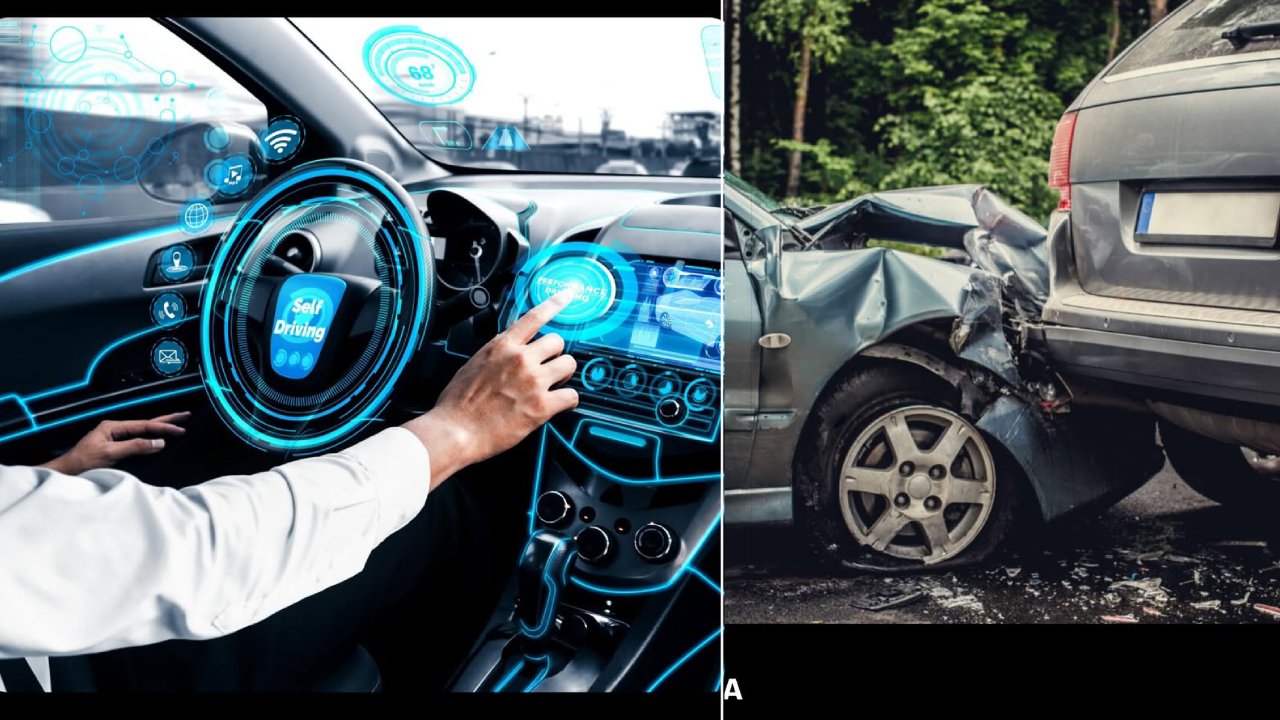
Indian roads are notoriously famous for being unsafe, primarily due to the road users not adhering to traffic regulations
The government of India is planning to introduce a vehicle-to-vehicle (V2V) communication technology, allowing cars to interact with each other to prevent crashes. Now, the safety standards in India have gone up significantly in the last few years. The indigenous Bharat NCAP crash testing agency was a major step in this process. Also, the basic safety in cars has risen with things like more safety equipment being offered as standard across the range. Taking things forward and leveraging new technology, the government now aims to deploy the V2V technology by the end of 2026 to further bolster road safety. Here are the details.
Govt to Introduce V2V Communication Technology
Union Minister Nitin Gadkari has announced that the government will introduce Vehicle-to-Vehicle (V2V) communication technology in cars and other vehicles by the end of 2026. This is part of a wider push to cut road accidents and save lives. V2V lets vehicles talk to each other directly using short-range wireless signals. They share simple information like speed, location, direction and sudden braking. These messages do not need mobile networks or the internet. That makes the system useful even in areas with poor network coverage.
In real time, cars will send alerts if a vehicle ahead stops suddenly or slows down too fast. Drivers will get warnings before they can see the danger with their eyes. This can help avoid rear-end collisions, pile-ups and crashes in low visibility, such as foggy conditions. The government is working with the Department of Telecommunications to set aside special wireless spectrum for V2V communication. Standards and rules are being finalized so that the system can be rolled out smoothly. Officials plan to mandate V2V devices in new vehicles first. Later, older vehicles may be updated too. The cost of the onboard unit is expected to be around a few thousand rupees per car.
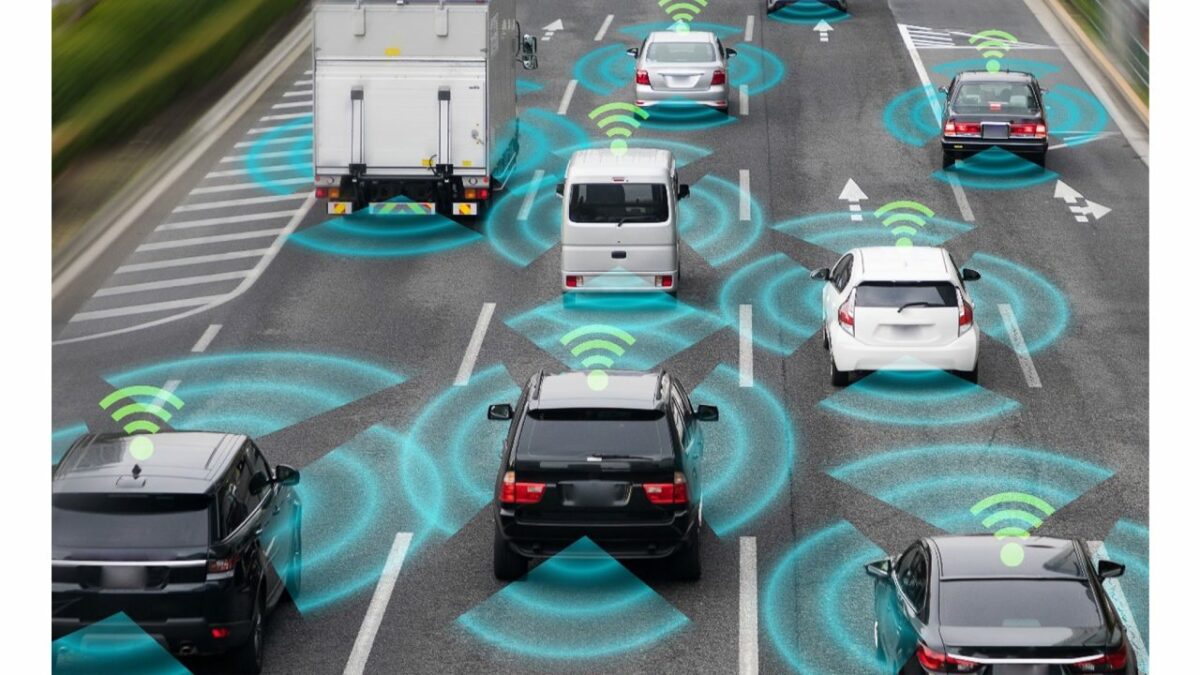
Experts say V2V could become a game-changer for road safety in India. It adds an extra layer of protection beyond what radar and cameras do now. By helping drivers react faster, it may reduce accidents caused by human error. This technology marks a shift from traditional safety systems to real-time warning systems. It could save thousands of lives as more vehicles start using V2V communication on Indian roads. It will be interesting to see how this new tech affects road safety in India going forward.
Also Read: Tata Safari and Harrier Launched with New Petrol Engine