

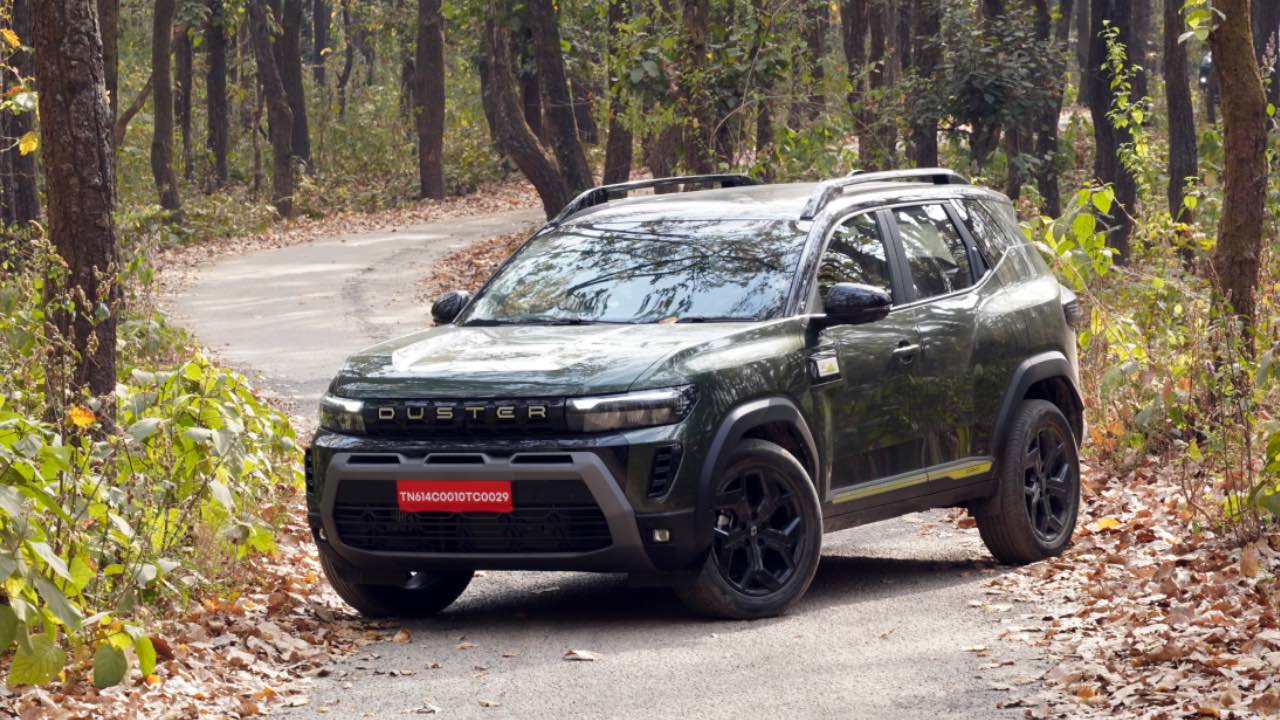
There was a time when the Renault Duster defined an altogether new segment; one that’s now among the most fiercely contested spaces of the market. Back then, you didn’t buy it for features. You bought it because it felt… different. More solid. More honest. More capable than most compact cars flaunting an SUV badge. And now, with the new Duster, Renault isn’t just launching another compact SUV. It’s trying to revive something people still remember very clearly.
That’s not easy. Because the benchmark this car has to meet isn’t the Creta or Seltos, but it’s the old Duster itself. After spending time with the new 1.3 Turbo DCT, I walked away with a definite clarity that this isn’t a nostalgia play. This is Renault trying to bring the Duster back to relevance. And more importantly, back to form.
First Impressions: Less Raw, More Intentional
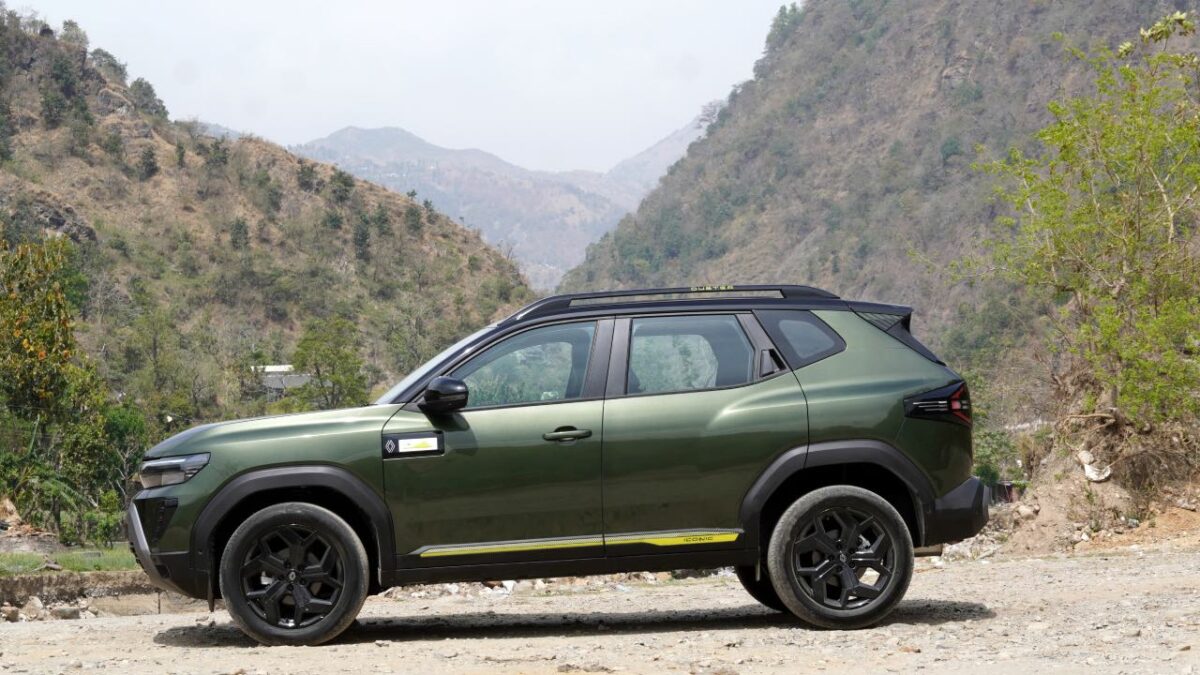
The original Duster looked like it was designed as per function first, form later philosophy. This one feels more thought-through. The stance is still upright. The proportions are still SUV-like. But now there’s sharper detailing, better surface treatment, and an overall sense of cohesion that the older car never really had. It looks tougher, yes, but also more polished. And that’s a tricky balance. Because if you polish a Duster too much, you risk losing what made it appealing in the first place. Thankfully, that hasn’t happened here. It still looks like it belongs on bad roads, not just outside offices and shopping malls.
The Engine: This Is Where It Hits Back
Let’s address the biggest shift. The new Duster, in this spec, gets a 1.3-litre turbo-petrol pushing 163 hp and 280 Nm. That’s not just competitive, but it’s segment-leading in terms of outright output. But numbers aside, what matters is how it feels. And this engine feels alive. There’s a strong mid-range surge, and the way torque builds between 2,000–3,500 rpm makes driving genuinely effortless. Overtakes don’t require planning. You just go for them. What stands out is that this feels much more than a “spec sheet win.” It feels like Renault deliberately wanted to bring performance back into a segment that had started prioritising smoothness over excitement.
And honestly, it works.
The Gearbox: Finally, a DCT from Renault
The 6-speed wet-clutch DCT deserves a mention on its own. Because let’s be honest, DCTs in India can be a bit of a gamble. But this one feels well-calibrated. In traffic, it’s not jerky. It doesn’t hunt unnecessarily, and when you push harder, it responds with clean, quick shifts. More importantly, it doesn’t dilute the engine’s character. Instead, it complements it. That’s certainly not something you can say about every automatic in this segment.
Also Read: New Renault Bigster 7-seat SUV Spied in India – Video
Ride and Handling: The Real Test of a Duster
Here’s where things get seriouss because if there’s one area where the Duster built its reputation, it was this. The original car had what you could call a “magic carpet” ride. It would just glide over broken roads while staying composed at highway speeds. So, naturally, expectations here are high. The good news? Well, the new Duster largely delivers. There’s a reassuring solidity to the way it moves. It feels planted at speed. It doesn’t get unsettled easily. And importantly, it still feels like it’s been engineered for Indian roads rather than adapted for them. Akin to the OG, the new Duster strikes a near-perfect ride and handling balance. The suspension has that familiar absorbent quality. It doesn’t crash over bumps. It doesn’t feel overly soft either. Instead, it finds that sweet spot. You can drive it hard, and it stays composed. Of course, you can use it to commute, and it stays comfortable. This duality is very Duster.
Does It Still Feel Tough? Yes, But Differently
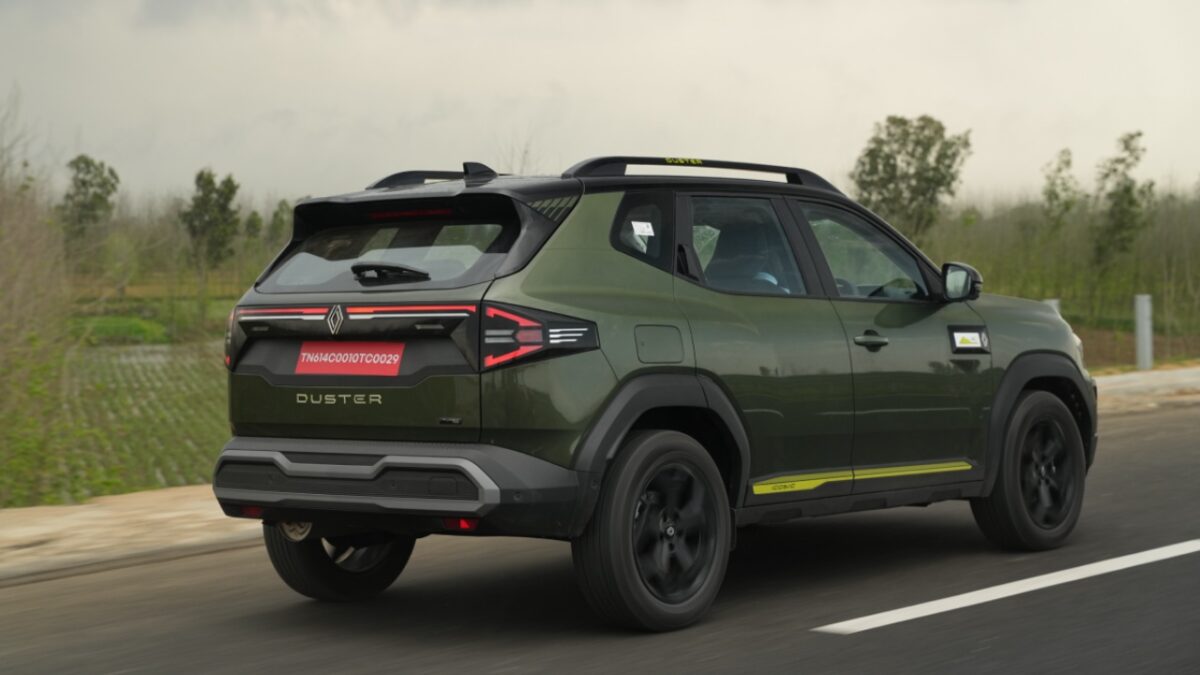
One thing worth pointing out is that the new Duster feels more refined than before, which is, of course, good news, but this also means it’s not as raw.The old car had a certain “indestructible” feel. It felt like it could take a beating without caring. This one? Well, it still feels robust, but in a more controlled, engineered way. And depending on what you liked about the old car, that could either be an upgrade… or something you’ll need a bit of time to adjust to.
Interior: Finally Matches the Drive
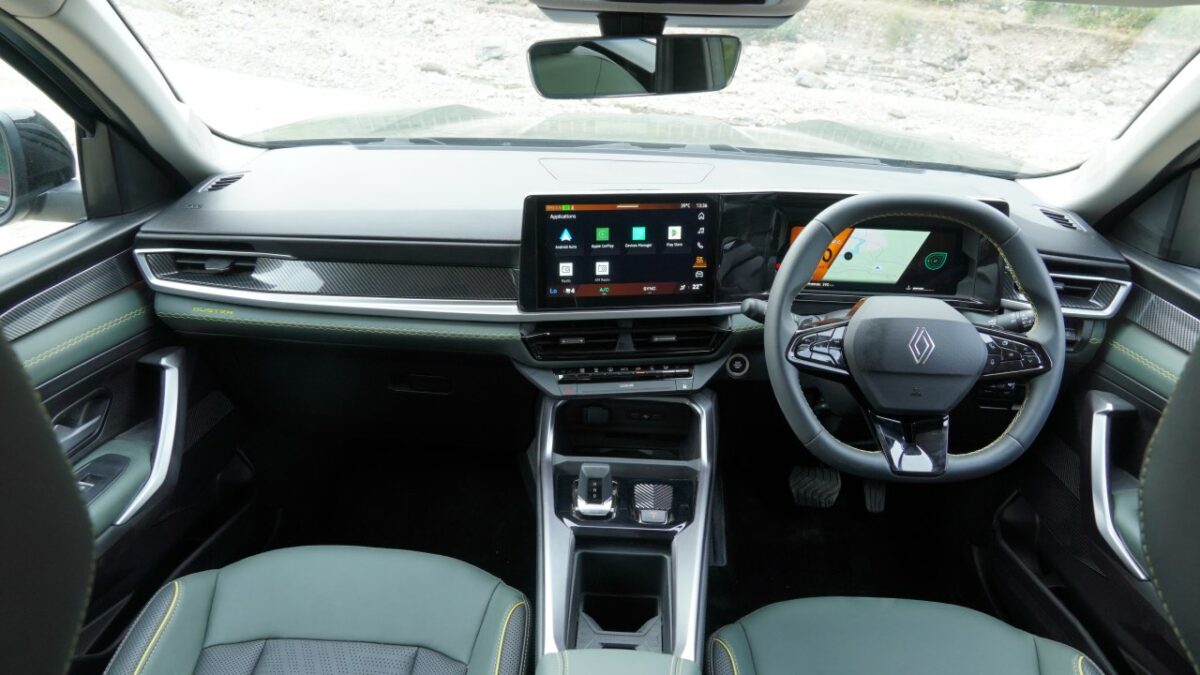
If the old Duster had a weak link, it was always the cabin. This time, that’s been addressed properly. The new layout feels modern. The screens are well integrated. And overall, there’s a noticeable step up in perceived quality. The cabin is spacious and practical for its size, and that’s immediately noticeable. There’s enough room, good visibility, and a layout that prioritises usability over gimmicks. It still doesn’t try to outdo rivals on outright flash, but it doesn’t feel outdated anymore either. And honestly, that’s exactly what the Duster needed. And then, we have plenty of ‘simply clever’ touches, like the magnetic wireless charging pad, a dedicated steering column-mounted stock for the audio controls, window roll-up/down along with sunroof operation from the key fob, steering modes and a dedicated button to immediately switch to preferred ADAS settings.
The Driving Experience: Where It Stands Today
What surprises you most about the new Duster is how complete it feels. Earlier, you’d buy a Duster knowing you were compromising on features or interior quality but now, those compromises are largely gone. And yet, it hasn’t lost its identity. It still feels like a driver-focused SUV and it still feels planted at expressway speeds. It still feels like something you can trust on a bad road at a slightly higher speed than you probably should be doing.
And in today’s segment, that’s rare, because most rivals have gone the other way with lighter steering, softer setups, and easier manners. The Duster still asks you to drive it and push it hard.
Also Read: Renault Bridger Compact SUV Concept Unveiled, To Get ICE and Electric Powertrains
Verdict: Not Just a Comeback But A Recalibration
This is the part that matters most, because no matter how good this car is in isolation, it will always be judged against what came before. And that’s a high bar. The original Duster was simple, tough, and incredibly well sorted for Indian conditions. It didn’t just compete but it stood apart. It’s the vehicle that sent other brands to drawing boards, which resulted into an influx of many more interpretations of the ‘compact SUV’.
The new one? It doesn’t try to replicate that formula exactly. Instead, it evolves it by keeping the strong fundamentals of ride, stability, robustness, but adding exactly what the modern buyer expects, viz. power, tech, refinement. Is it exactly like the old Duster? No. Is it trying to be? Also no. And that’s probably the right approach.
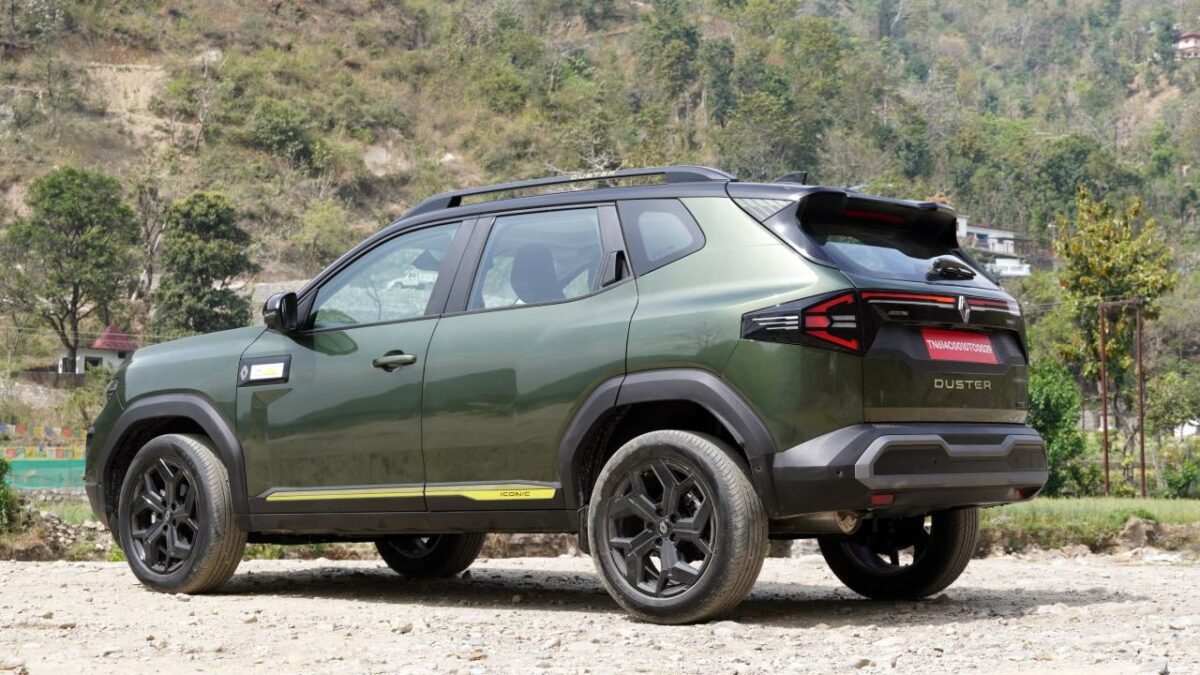
The new Renault Duster is not here to remind you of the past but it’s here to re-establish relevance. And it does that by focusing on things that actually matter (performance, ride quality, and real-world usability). Yes, it’s more refined now. Yes, it’s more modern. But underneath all that, it still feels like a Duster. And that has to be its biggest win because in a segment full of well-rounded, feature-loaded SUVs, the Duster brings something slightly different back into the mix – character.
Not forced. Not manufactured.
Just… built in.