

The off-road-focused SUV will be the first ladder-frame vehicle from the Korean auto giant
The all-new Hyundai Boulder concept has been unveiled. The Korean carmaker is known for manufacturing hot hatches, popular EVs, comfortable sedans and premium urban SUVs. However, it wants to expand its portfolio by stepping into some uncharted territory. As a result, it has decided to go all in and create a rugged ladder-frame SUV. It has to be among the boldest and most ambitious concepts Hyundai has ever undertaken. For now, let us delve into the details of the new SUV.
Hyundai Boulder SUV Concept Showcased
The SUV concept bears an adventurous appearance. At the front, it gets sleek LED DRLs, vertically-stacked LED headlamps, dotted LED lights on the grille, an upright stance, auxiliary roof lighting, sturdy skid plate and a monstrous bumper. On the sides, we see suicide doors, tough roof rails, prominent wheel arches, beefy fenders, massive wheels with off-road tyres, and side steps for easier ingress and egress. Finally, the tail end contains a boxy silhouette, a bootlid-mounted spare tyre, a slab-sided tailgate and a solid skid plate with a sporty bumper. All in all, the demeanour of the Hyundai Boulder is imposing.
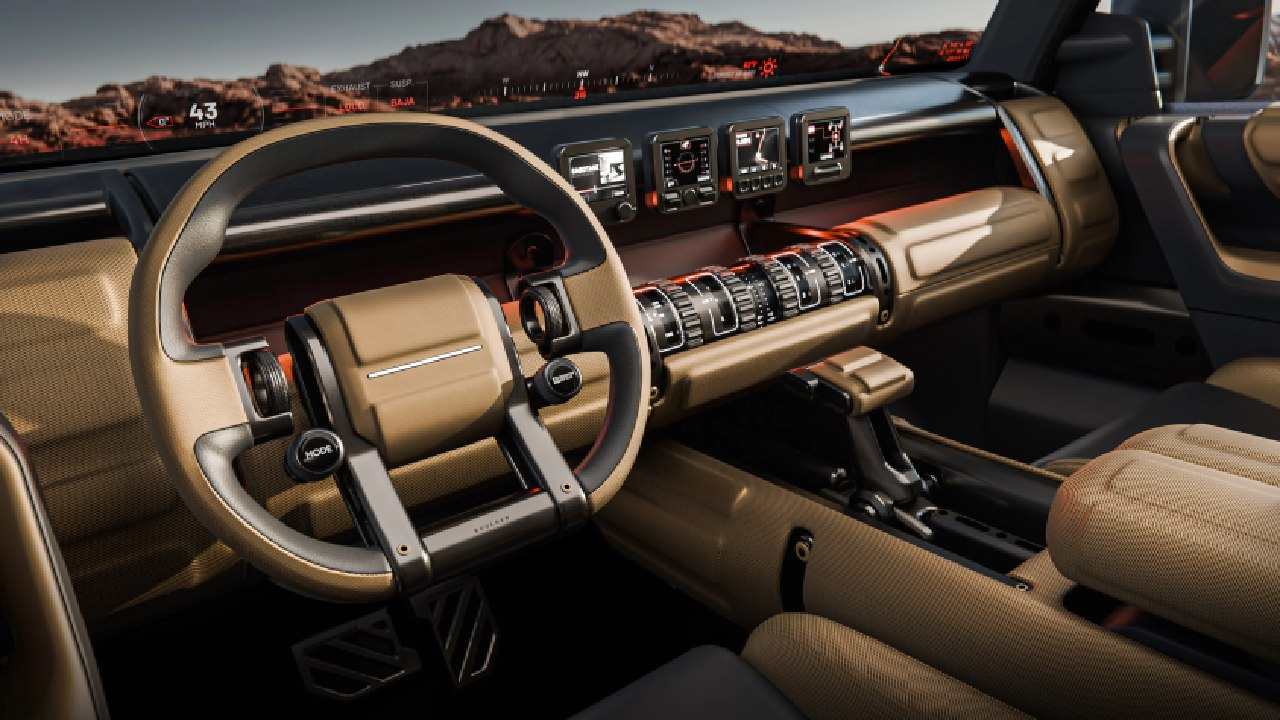
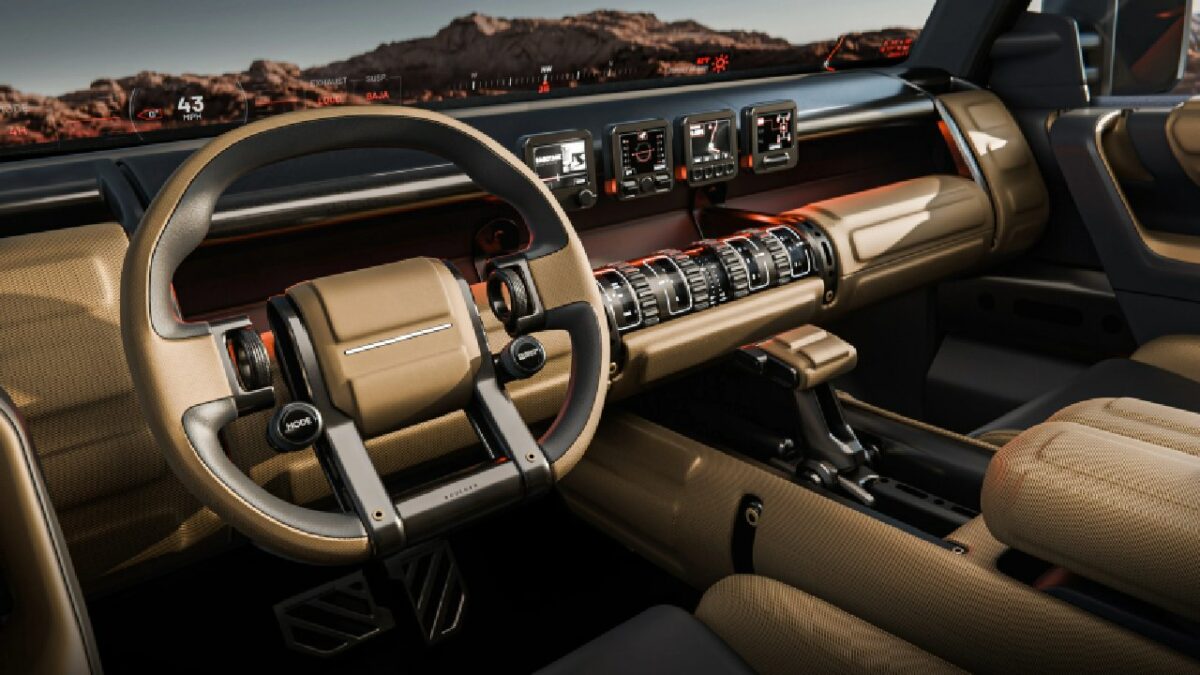
On the inside, the layout contains a distinct combination of solid build and new-age tech and convenience amenities. Other prominent bits incorporate a flat-bottom steering wheel with rotary controls, multiple screens including a full-width head-up display, textured dashboard, hardware information and operation and much more. In fact, the Hyundai Boulder SUV concept certainly carries a modern appeal, while staying true to the core nature of a sports utility vehicle. At present, the vehicle was announced for the American market and there are no plans of launching it to India.
Editor’s Note
Yatharth Chauhan, Managing Editor
Hyundai stepping into the ladder-frame SUV space with the Boulder concept signals a clear intent to challenge established off-road icons, even if it’s currently aimed at global markets like the US. From an Indian perspective, this move reinforces how brands are exploring lifestyle-oriented, rugged vehicles to build aspirational value beyond urban SUVs. However, given our market’s price sensitivity and regulatory landscape, a product like this would need significant localisation to succeed. Still, it underlines Hyundai’s evolving ambition, and I won’t be surprised if elements of this concept influence future India-bound SUVs.
Also Read: Hyundai Venue and Venue N-Line Score 5 Stars at Bharat NCAP