

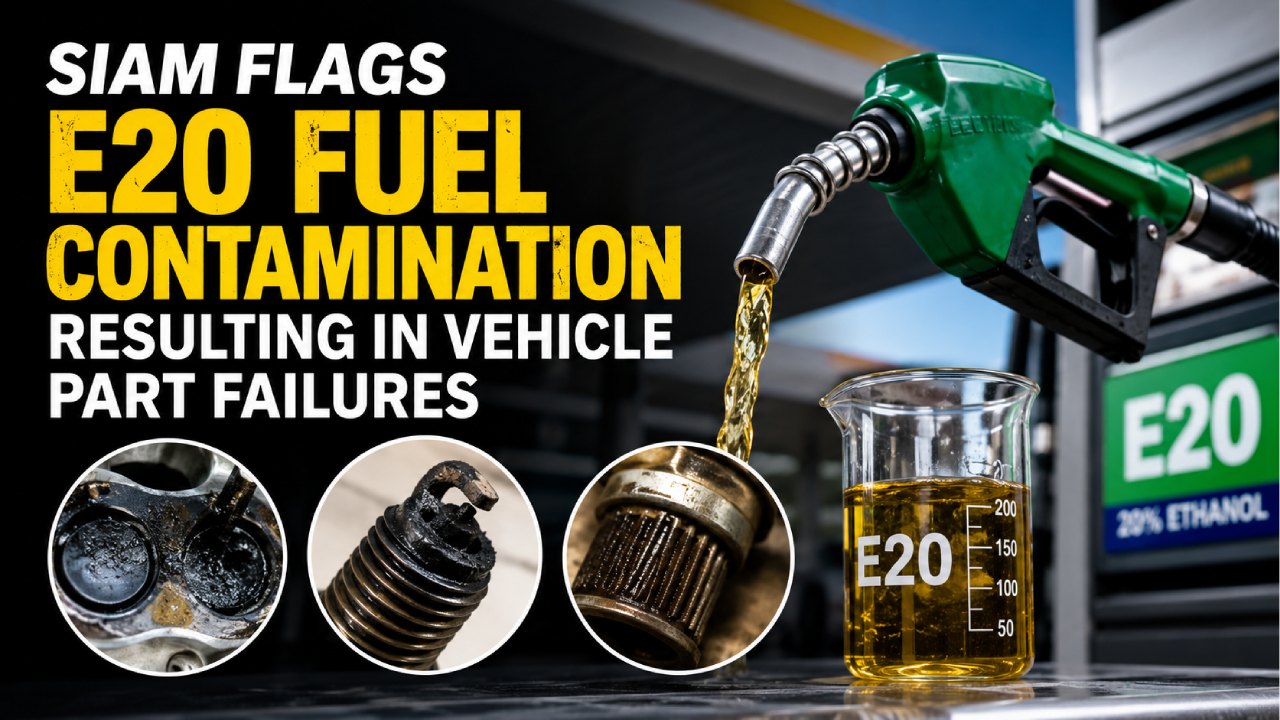
The Indian automobile industry is going through a rather challenging phase when it comes to the issues pertaining to E20 blending
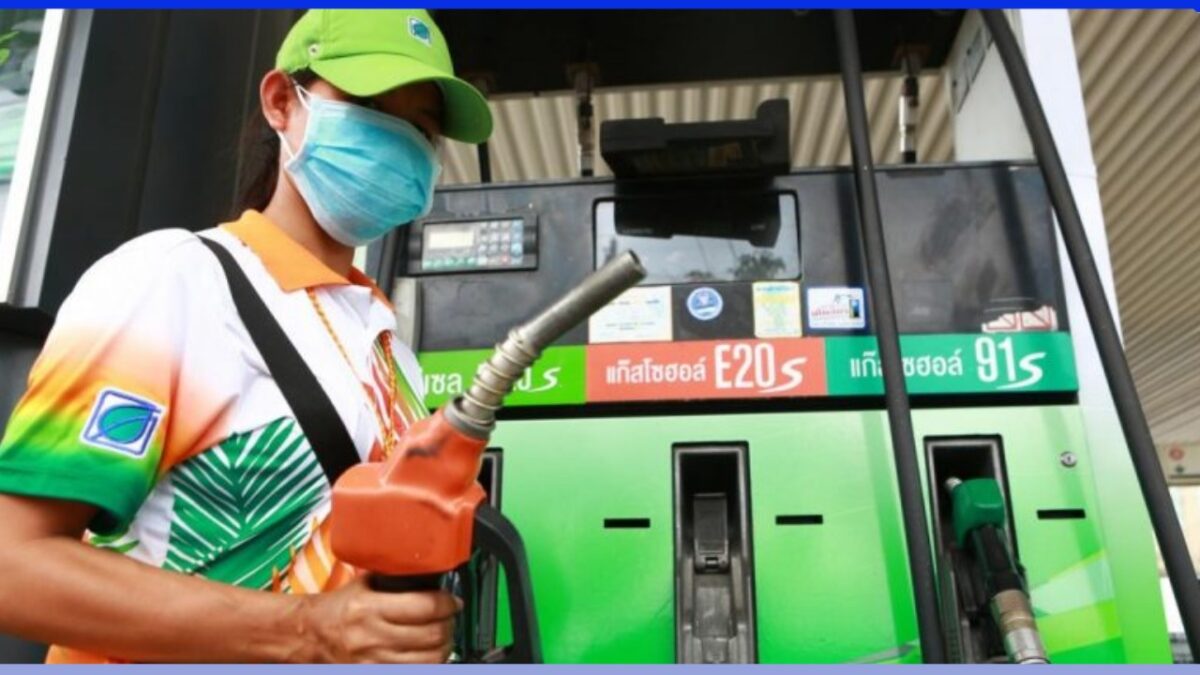
The latest report by the Society of Indian Automobile Manufacturers (SIAM) raises some concerns about E20 fuel contamination as the cases of part failures in vehicles rise. The E20 (20% ethanol blended in petrol) debate has been going on in the country for the past few months. The government has mandated all fuel stations to sell E20 fuel. However, the customers have been reporting issues due to the use of E20 fuel in their non-E20-compatible cars. For now, let us check out what the new SIAM report entails.
SIAM Flags E20 Fuel Contamination
Note that SIAM wrote a letter and a technical submission to the Ministry of Petroleum & Natural Gas highlighting contamination concerns in E20 petrol. In this letter, the main aspects included high chloride contamination and excess moisture in some samples. These can be related to problems in fuel pumps, fuel injectors, exhaust gas recirculation (EGR) valves and other metallic fuel-system components through corrosion. Going deeper, the chloride content found in some samples was 350-500 mg/kg. However, the permissible limit is less than 1 mg/kg in commercial E20/E85 fuel and less than 3 mg/kg in anhydrous ethanol used for blending.
Similarly, the moisture content was found to be 10,000 mg/kg, while the permissible amount is 3,000 mg/kg. These are evidently high and can allegedly prove damaging for the vehicle components. Therefore, it is being argued that the poor fuel quality might be causing damage to cars rather than E20 blending. The government has asked Oil Marketing Companies (OMCs) to routinely monitor the fuel quality for chloride and moisture content.
I must also mention here that SIAM later withdrew/retracted some part of this communication. SIAM said that the letter was part of routine technical discussions between OEMs, OMCs and testing agencies. Furthermore, it mentioned that the reported numbers need wider validation before conclusions can be drawn. The SIAM reaffirmed its support for the Government’s E20 fuel initiative. Finally, the Ministry of Petroleum said that out of over 2,000 samples, only 2 cases of chloride contamination were found and the affected petrol pumps have been suspended.
Editor’s Note
Yatharth Chauhan, Managing Editor
he findings highlighted in the latest SIAM communication have once again brought the spotlight back on India’s transition to E20 fuel. While ethanol blending itself has been projected as a long-term step towards reducing fuel imports and emissions, reports of vehicle component failures have understandably raised concerns among motorists. If contamination in fuel, rather than the E20 blend itself, is indeed the root cause, ensuring consistent fuel quality across the country becomes far more important than ever. Going forward, transparent testing, stricter quality control and clear communication from all stakeholders will be crucial to maintaining consumer confidence as India continues its ethanol-blending journey.
Also Read: ICICI Lombard Issues Official Statement Clearing its Stance on E20 Fuel Usage